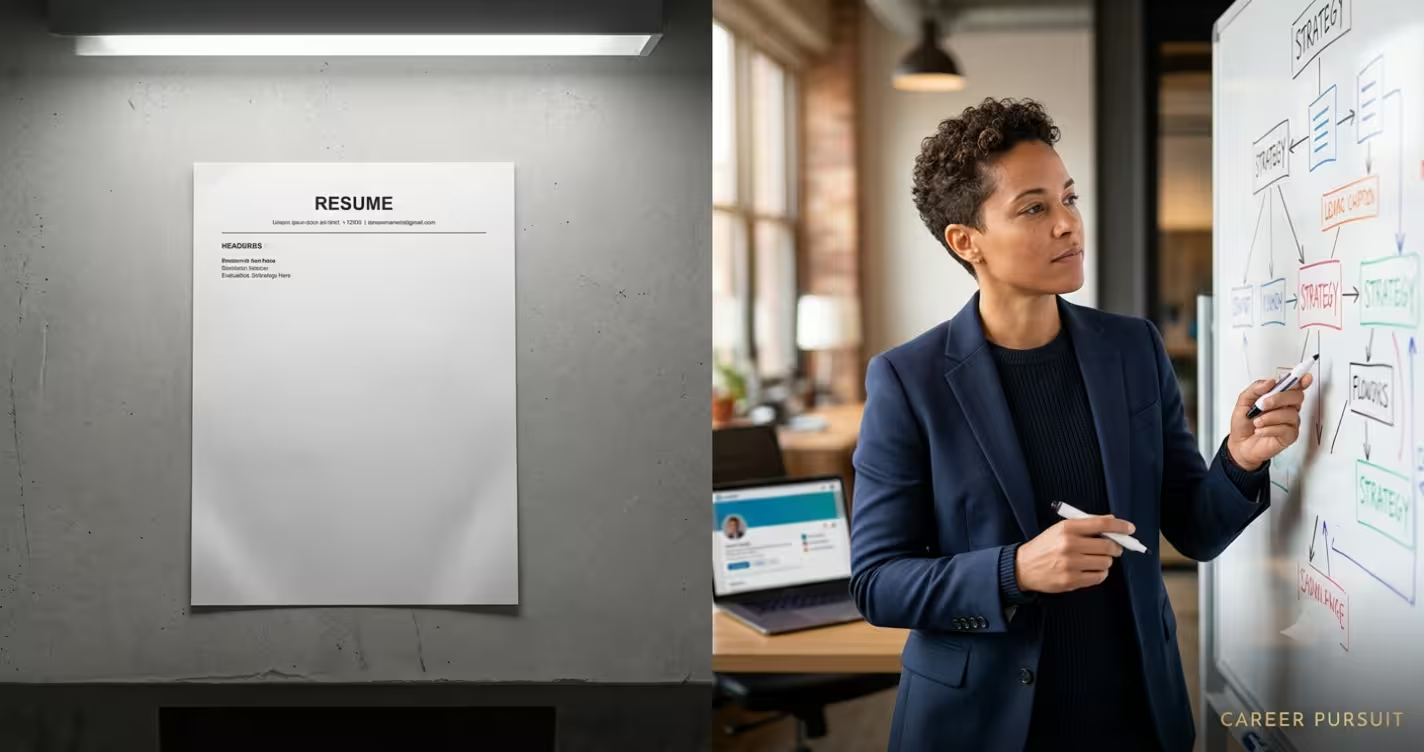
Everyone can write a strong resume now. AI made sure of that. The polished bullets, the quantified results, the tailored summary - none of it is hard to produce anymore, and hiring managers know it. Which means the resume has stopped being the differentiator. It's the entry ticket. The actual filter has moved one layer up: is the person behind the document verifiable? Are they who the resume says they are? That verification doesn't happen on the page. It happens in everything around the page - what shows up when someone Googles them, what their LinkedIn looks like, what their public footprint says about how they think. That's the personal brand. And in 2026, it's doing more work than the resume.
A resume is a moment in time. A brand lives on forever.
Why the Resume Stopped Being Enough
The gap a resume can't fill is a verification gap. Recruiters and hiring managers are looking at twenty candidates with similar credentials, similar titles, similar quantified achievements. The resume tells them what each candidate has done. It doesn't tell them who each candidate actually is. That's the part hiring managers care about most and the part they can't get from a PDF. So they fill the gap themselves. They Google the name. They check LinkedIn. They look at recent posts, recent comments, who the person engages with, what they say in public. If that search returns nothing - a stale profile, no posts, no signal - the candidate doesn't get disqualified. They just get passed over for someone equally qualified who feels more real.
Two strong resumes. One has a brand behind it. The other doesn't. The brand wins. Not because the candidate is better, but because they're easier to trust.
What a Senior Brand Actually Looks Like
Most senior professionals hear "personal brand" and assume the path is becoming a LinkedIn influencer. Not the play. The floor is much lower than that. A minimum viable brand for a senior leader is a clean, current LinkedIn page and one or two posts a month on what's actually happening in your space - market conditions, industry shifts, tools showing up on the horizon, where the sector is going. That's it. The point isn't volume. It's freshness. A stale page reads as a stale candidate. A page that shows a current professional thinking out loud about their domain reads as someone in the game.
You don't have to write essays. You don't have to have a unique take on everything. You have to look like a person who pays attention to their own industry and is willing to say so in public. That's the bar. Most senior people can clear it with two hours of work a month. Almost none of them do.
The Cargo Ship Problem
Here's why this matters now and not later. A resume is a fast vehicle. You can rewrite it in an afternoon. A brand is a cargo ship. It doesn't turn quickly. If you start building it the week you decide you want a new role, you're already late. The candidates who get the inbound, the warm intros, the "I saw your post and thought of you" emails are the ones who started building two years ago when they didn't need it.
This is the trap most senior professionals fall into. They wait until they're ready to move, then look at their dormant LinkedIn and try to compress a year of brand-building into two weeks. It doesn't work. The brand only does its job when it's been compounding in the background while you weren't looking. The time to start is when you don't need it.
The AI Search Test
Here's a 60-second exercise. Open an incognito browser. Google your full name. Then ask ChatGPT or Google's AI summary to tell you about you, professionally. Look at what comes back. That output is what every recruiter and hiring manager sees when they research you. If the answer is thin, generic, or wrong, that's not a search engine problem. That's a brand problem. And every senior role you apply to between now and when you fix it is being filtered through that result.
A Real Example
A client of mine in the senior consulting space spent months resisting the idea of posting publicly. He felt it was cringe. I pushed him to start small - just commenting thoughtfully on other people's posts in his domain, with takes that pushed against the grain a bit. Felt uncomfortable to him. He did it anyway. Two days after one of those comments, someone in the original poster's network messaged him directly. That message turned into a call. That call turned into a consulting opportunity with that person's company. He didn't post. He commented. The signal was small. The return was real. That's what a brand does in the background while you're doing other things.
Final Thoughts
The resume is the polished bullet point. The brand is what someone sees outside the text boxes. In a market where every resume looks the same, the candidate who looks like a human being - thinking, working, contributing in public - wins the close calls. And almost every senior hire is a close call.
You don't need to become a content creator. You need to stop being invisible. A current LinkedIn, two thoughtful posts a month, a handful of comments on the right people's work. That's the floor. Start there. Start before you need it. The cargo ship takes time to turn.
If you want help figuring out what your brand should say in public, that's part of what I do. Book a call at careerpursuit.net.